The Synergy of BPC-157 and TB-500: A Researcher’s Guide to Regenerative Potential
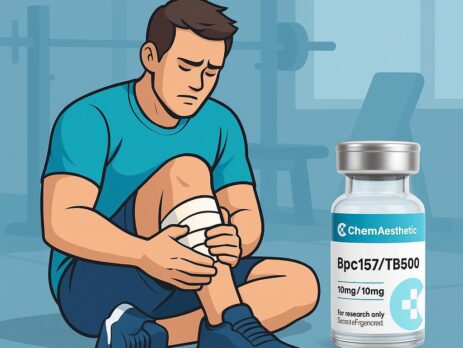
In the world of peptide science, few combinations draw as much attention as BPC-157 and TB-500. Individually, they’ve each earned recognition for their unique regenerative properties in experimental models. Together, they offer an intriguing synergistic effect—particularly in studies related to tissue repair, inflammation control, and recovery from soft-tissue trauma.
But what makes this combination so compelling for researchers?
BPC-157 vs. TB-500: Key Differences & Mechanisms
What Is BPC-157?
BPC-157 is a synthetic peptide derived from a naturally occurring gastric protein. It has been widely studied for its potential in:
-
Accelerating wound healing (gastric ulcers, skin, tendons)
-
Protecting organs & tissues under physiological stress
-
Modulating inflammation
-
Counteracting NSAID-induced intestinal damage
What Is TB-500?
TB-500 is a synthetic fragment of Thymosin Beta-4, known for its role in:
-
Promoting cell migration & angiogenesis (new blood vessel formation)
-
Enhancing muscle & joint recovery in injury models
-
Supporting muscle fiber regeneration
-
Immune modulation in experimental settings
Why Combine BPC-157 & TB-500?
While both peptides show promise alone, their combined use is gaining traction in research due to:
✅ Dual-Action Healing
-
BPC-157 → Localized tissue repair (microscopic damage)
-
TB-500 → Systemic regeneration (cell migration, blood flow)
✅ Enhanced Angiogenesis & Anti-Inflammation
-
Both peptides overlap in pathways that support faster recovery.
✅ Broader Therapeutic Potential
-
Studies suggest the combo may be more effective for chronic injuries, tendon/ligament repair, and post-surgical healing.
Research Use & Experimental Dosing (Preclinical Models)
Note: These protocols are for laboratory research only—not for human or veterinary use.
Typical Dosage in Studies
| Peptide | Dosage Range | Frequency |
|---|---|---|
| BPC-157 | 200–500 mcg | Daily |
| TB-500 | 2–5 mg | Weekly (or split doses) |
Reconstitution Guide (Example Protocol)
-
Vial Contents: 10mg BPC-157 + 10mg TB-500
-
Reconstitution: 2mL bacteriostatic water
-
Dosing: 1mg total peptide per 10 units (0.1mL) on an insulin syringe
Key Applications in Experimental Research
Researchers are exploring this combination for:
🔬 Soft-Tissue Injury Models
-
Rotator cuff, Achilles tendon, and ligament damage
-
Cartilage degeneration studies
🔬 Post-Surgical & Wound Healing
-
Enhanced recovery in trauma models
🔬 Cardiovascular & Muscle Regeneration
-
TB-500’s role in myocardial ischemia and muscle repair
🔬 Mechanical Stress Studies
-
Exercise-induced damage, overload injuries
Final Thoughts: A Powerful Research Duo
For scientists studying regenerative medicine, inflammation, and injury recovery, the BPC-157 + TB-500 combo offers a compelling, multi-pathway approach. With strong preclinical data supporting their mechanisms, this pairing remains a high-potential candidate for future therapeutic development.
🔬 Want detailed reconstitution & dosing protocols?
👉 Visit Our Research Protocol Page
⚠️ Disclaimer: All compounds discussed are for laboratory research only. Not for human or animal consumption.